
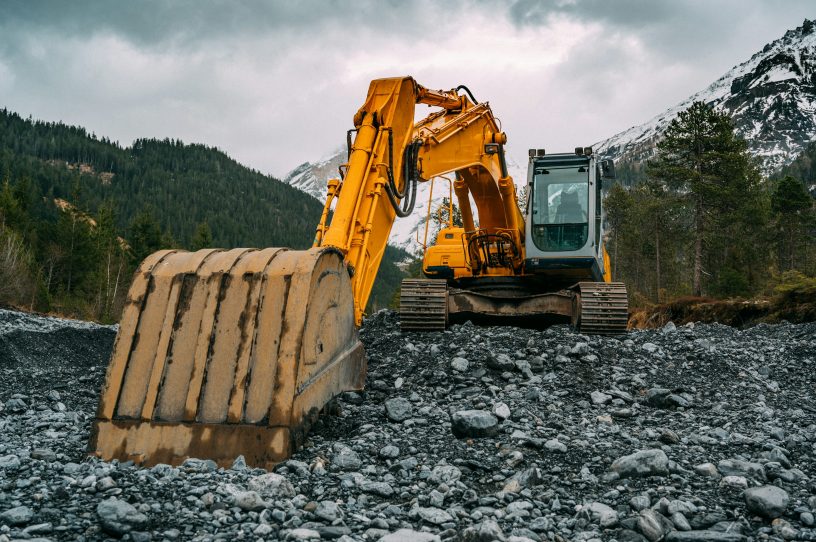
When it comes to towing heavy-duty vehicles and machinery, preparation and precision are everything. Whether you’re handling a broken-down truck, a piece of construction equipment, or an agricultural machine, the challenges are much greater than with light-duty vehicles. The size, weight, and value of these assets demand specialized knowledge, professional equipment, and strict safety measures. If you ever find yourself needing towing Dubbo services for heavy machinery or industrial vehicles, knowing the right steps to take will help protect both the equipment and everyone involved.
1. Assess the Situation Safely
Before doing anything else, ensure the scene is safe. Turn on hazard lights, secure the area with warning cones or flags, and keep bystanders clear. If the breakdown occurs on a road, position reflective triangles or flares to alert oncoming traffic. For off-road environments such as job sites or farms, ensure the ground is stable and not prone to collapse or slippage when the tow truck arrives. Safety always comes first; never attempt recovery if there’s a risk of rolling, fire, or hazardous material leaks.
2. Identify the Vehicle Type and Load
Every heavy-duty vehicle has different towing requirements. Identify the make, model, and approximate weight of the machine or truck before making a call. This helps the towing operator determine which equipment to dispatch—whether it’s a rotator, flatbed, or multi-axle heavy wrecker. For machinery such as excavators, graders, or tractors, note any attachments and whether they can be removed or need to be secured. This information ensures the towing process is planned accurately, minimizing the risk of damage during transport.
3. Choose a Qualified Heavy-Duty Towing Provider
Not all towing services are equipped to handle large-scale recoveries. Look for operators with experience in heavy towing and recovery, certified personnel, and modern, well-maintained equipment. Confirm they have the proper insurance coverage, including public liability and on-hook insurance, which protects the towed vehicle during the process. Transparent communication is another hallmark of a reputable company—they should explain their towing method, expected timeline, and pricing clearly before starting.
4. Prepare the Vehicle or Machinery for Transport
Once professional help arrives, assist the towing team by providing key information and ensuring the equipment is ready for loading. Remove or secure any loose attachments, lower booms or arms, and ensure the vehicle is in neutral. For machinery with special towing points or hydraulic locks, refer to the manufacturer’s manual or consult with the operator to avoid costly mistakes. Never try to move heavy vehicles using chains or straps not rated for the weight—they can fail under tension, causing severe damage or injury.
5. Understand Towing Techniques and Equipment
Towing heavy-duty vehicles often requires specialized recovery systems. These may include rotators for lifting overturned trucks, low-loader trailers for oversized equipment, and tilt trays for versatile loading. Operators also use winches, snatch blocks, and rigging gear designed for extreme loads. All tools must meet rated capacity standards and are regularly inspected. Knowing the basics of these systems helps you understand what to expect and ensures that the job is done safely and efficiently.
6. Communicate Clearly with the Tow Operator
Provide detailed information to the dispatcher or towing crew before they arrive. This includes:
- The exact location and type of terrain (paved, gravel, mud, etc.)
- Vehicle type, load weight, and any mechanical issues (locked brakes, flat tires, hydraulic leaks)
- Hazards such as fuel spills, limited access, or steep gradients
- Drop-off destination, such as a workshop, depot, or storage yard
Clear communication minimizes delays and ensures the towing team arrives with the right equipment for the job.
7. Avoid Common Mistakes During Heavy Towing
Several errors can lead to accidents or damage when towing heavy machinery. Avoid:
- Using improper towing attachments or hooks
- Failing to balance the load correctly on trailers
- Neglecting to check tire pressure and air suspension on towing vehicles
- Overlooking brake line and electrical connections for road transport
Each of these mistakes can cause unsafe conditions or equipment failure during transit.
8. Review Costs and Documentation
Heavy-duty towing can be expensive due to the complexity of equipment and logistics involved. Always request a detailed quote before work begins, including call-out fees, distance charges, recovery labor, and storage rates if applicable. Ask for itemized invoices and confirm the service provider’s insurance coverage. Keep copies of all documentation for future reference, especially if the tow relates to an insurance claim or mechanical breakdown warranty.
9. Final Safety Checks Before Departure
Before the towing vehicle departs, verify that the load is properly secured with rated chains or straps, all safety locks are engaged, and lights and reflectors are functional. If you’re following the tow, maintain a safe distance and avoid abrupt maneuvers that could endanger the transport vehicle.
Conclusion
Towing heavy-duty vehicles and machinery requires knowledge, skill, and planning. From assessing the scene and choosing the right service provider to preparing the vehicle and ensuring proper documentation, every step counts. Professional towing dubbo services that specialize in heavy recoveries understand these demands and bring the right combination of equipment, expertise, and safety discipline to get the job done smoothly. With preparation and clear communication, even the toughest towing jobs can be managed with confidence and care.
 Time is the New Currency