
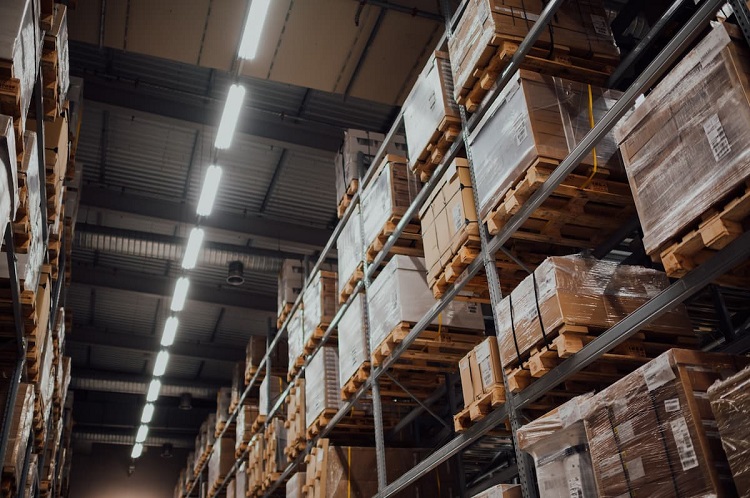
Choosing the right racking system for your warehouse or storage facility represents one of the most consequential decisions in optimizing operational efficiency. These seemingly simple structures form the backbone of inventory management, directly impacting picking speeds, storage density, and ultimately, your bottom line. The distinction between appropriate and inappropriate storage infrastructure can mean the difference between streamlined operations and costly chaos.
Understanding Racking Fundamentals
At its core, industrial racking provides organized storage frameworks that maximize vertical space while ensuring accessibility. These systems have evolved dramatically from rudimentary shelving to sophisticated engineered structures designed to withstand specific load requirements and environmental conditions.
“Singapore’s industrial racking systems must comply with SS 620:2016 standards, which establish safety parameters for design, testing, and installation to ensure structural integrity under seismic and operational stresses.”
The fundamental components typically include:
- Upright frames serving as vertical supports
- Horizontal beams connecting frames and supporting loads
- Safety pins preventing beam dislodgement
- Footplates distributing weight to flooring
- Cross-bracing enhancing structural stability
Types of Racking Solutions
Selective Pallet Racking
The most ubiquitous storage solution, selective pallet racking offers direct access to every pallet without relocating others. This accessibility comes at the cost of density – typically utilizing only about 40% of available cubic space.
The straightforward design features parallel rows separated by aisles wide enough to accommodate forklifts. This configuration proves ideal for operations with diverse SKUs requiring frequent access.
Drive-In/Drive-Through Racking
When storage density takes precedence over selectivity, drive-in systems provide a compelling solution. By eliminating dedicated aisles between each row, these systems can increase storage capacity by up to 75% compared to selective alternatives.
Forklifts drive directly into lanes supported by rail structures, allowing deep pallet storage following LIFO (last-in, first-out) or FIFO (first-in, first-out) principles, depending on configuration.
Double-Deep Racking
Striking a balance between selective access and storage density, double-deep racking stores pallets two-deep on each side of an aisle. This configuration increases storage capacity by approximately 30% compared to standard selective systems while maintaining reasonable accessibility using specialized reach trucks.
Narrow Aisle Racking
When floor space commands premium prices, narrow aisle configurations provide a pragmatic compromise:
- Reduces aisle width from conventional 3-3.5 metres to 1.5-1.8 metres
- Requires specialized handling equipment (articulated forklifts or turret trucks)
- Increases storage capacity by up to 40%
- Maintains direct access to all pallets
Dynamic Storage Systems
Pallet Flow Racking
These gravity-fed systems utilize inclined roller tracks allowing pallets to flow from loading point to picking face. When the foremost pallet is removed, the next automatically advances:
- Enforces strict FIFO inventory rotation
- Reduces labor requirements
- Maximizes storage density
- Ideal for perishable goods or dated products
Push-Back Racking
Operating on the reverse principle of flow systems, push-back racking uses nested carts on inclined rails. Each new pallet pushes previously loaded units deeper into the rack, while removal causes remaining pallets to slide forward:
- Operates on LIFO basis
- Provides multiple SKU storage within single lane
- Reduces aisle requirements
- Typically stacks 2-6 pallets deep
Cantilever Racking
Heavy-Duty Cantilever Systems
For long, unwieldy items like timber, pipes, or structural steel, cantilever racking eliminates obstructive front columns:
- Provides unimpeded horizontal access
- Accommodates variable length items
- Adjustable arm configurations
- Supports substantial weight loads
Light-Duty Cantilever Configurations
Smaller-scale cantilever systems serve retail environments or light industrial applications:
- Suitable for furniture, mouldings, or textile rolls
- Cost-effective construction
- Enhanced aesthetic presentation
- Typically floor-mounted or wall-mounted
Critical Considerations in Racking Selection
Load Requirements Analysis
Accurate assessment of load characteristics forms the foundation of appropriate system selection:
- Maximum unit weight
- Pallet dimensions and condition
- Total system capacity requirements
- Load distribution patterns
- Growth projections and seasonality
Material Handling Equipment Compatibility
The relationship between racking and handling equipment demands careful coordination:
“Singapore warehouse operators increasingly favor integrated racking and handling solutions that optimize both storage density and movement efficiency, particularly in land-constrained facilities where every square metre must deliver maximum value.”
Consider:
- Lift height capabilities of existing equipment
- Turning radius requirements
- Aisle width compatibility
- Load capacity limitations
- Future equipment acquisition plans
Safety and Compliance Frameworks
Industrial racking exists within stringent regulatory environments:
- Structural engineering requirements
- Seismic activity considerations
- Regular inspection protocols
- Load rating display requirements
- Damage reporting procedures
Maintenance and Longevity
The durability of storage infrastructure directly impacts long-term operational costs:
- Protective measures against equipment impact
- Environmental exposure considerations
- Regular inspection schedules
- Component replacement availability
- Surface treatment durability
Conclusion
The seemingly straightforward decision about warehouse racking extends far beyond simple shelving choices. The optimal system must balance accessibility, density, handling efficiency, and safety while accommodating future growth and operational evolution. Through methodical assessment of current needs and anticipated developments, facilities can implement storage infrastructure that enhances rather than constrains operations. Whether prioritizing maximum density in land-scarce environments or optimizing picking efficiency in high-throughput facilities, the thoughtful selection process ultimately determines the effectiveness and economic viability of the racking system.
 Time is the New Currency